Find out how to watch every FIFA World Cup 2026 match, wherever you are.
Ad
Today, you’ll discover apps, platforms, and practical ways to follow every game from anywhere.
👉 This article is for informational purposes only. Here you will find reliable apps with live game specifications.
Digital Options to Follow Matches in Real Time
Today, watching the FIFA World Cup 2026 doesn’t mean “turn on the TV and that’s it.”
The experience runs through apps, the phone in your pocket, and even the work notebook.
Depending on the region, matches will be available on different platforms, all officially licensed.
- FOX Sports App, Peacock, FuboTV, and YouTube TV in the United States
- CTV App in Canada
- TUDN App and ViX in Mexico
- BBC iPlayer, ITVX, and ARD Mediathek in European countries
- SuperSport App and beIN Connect in regions of Africa
- beIN Connect in the Middle East
- Disney+ Hotstar in selected Asian markets
- SBS On Demand in Oceania
- FIFA+ as the official global platform, with complementary content
The point isn’t to memorize this entire list. The point is to identify which app works in your region, install it ahead of time, and have everything ready.

Once that’s settled, watching the matches becomes natural. No last minute searching, no missing kickoffs, no stress.
Group Organization in the New World Cup Format
The group stage of the FIFA World Cup 2026 is where the tournament truly starts to gain personality.
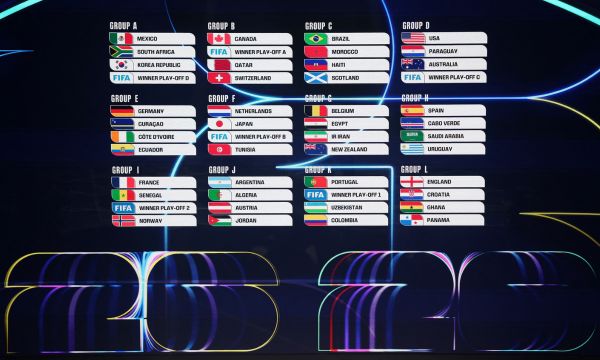
With the new format, there are 12 groups, each with four teams. Three matches per team and practically no margin for error.
The groups are distributed as follows:
Group A
- Mexico, South Korea, South Africa, and Czechia
Group B
- Canada, Switzerland, Qatar, and Bosnia and Herzegovina
Group C
- Brazil, Morocco, Haiti, and Scotland
Group D
- United States, Australia, Paraguay, and Turkiye
Group E
- Germany, Ecuador, Ivory Coast, and Curaçao
Group F
- Netherlands, Japan, Tunisia, and Tunisia
Group G
- Belgium, Iran, Egypt, and New Zealand
Group H
- Spain, Uruguay, Saudi Arabia, and Cape Verde
Group I
- France, Senegal, Norway, and Iraq
Group J
- Argentina, Austria, Algeria, and Jordan
Group K
- Portugal, Colombia, Uzbekistan, and Congo DR
Group L
- England, Croatia, Ghana, and Panama
What Changes in Groups with more Teams
More groups don’t mean easier matches. Quite the opposite.
At the FIFA World Cup 2026, the opening phase becomes more direct and more intense.
Each team plays only three matches and one mistake carries weight.
A poorly managed draw can be costly. There’s no room for “we’ll fix it later.”
In addition, qualification allows:
- the top two teams from each group
- and the eight best third-placed teams
This keeps many teams alive until the final round, but it also increases the tension. Every goal matters. Every detail counts.
The result is a less predictable group stage and one that’s far more interesting to follow.
Group Stage Matchups that Stand Out
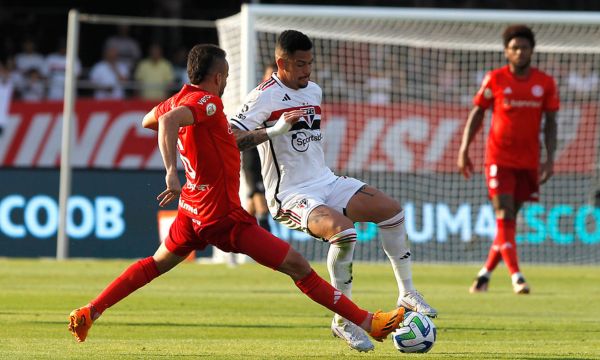
Right from the start, some groups already stand out because of the combination of styles and histories.
In Group C, the meeting of Brazil, Morocco, Haiti, and Scotland puts very different rhythms face to face, often producing open matches full of tactical reading.
Group H mixes European tradition, South American strength, and emerging teams, creating an unpredictable scenario from the first round.
Meanwhile, Group J draws attention for bringing together historic champions and teams living decisive moments in their trajectories.
These matchups show that, at the FIFA World Cup 2026, there’s almost no such thing as a low key game.
The opening phase already delivers matches that directly affect the direction of the tournament.
How many Matches the FIFA World Cup 2026 will have and How they are Distributed
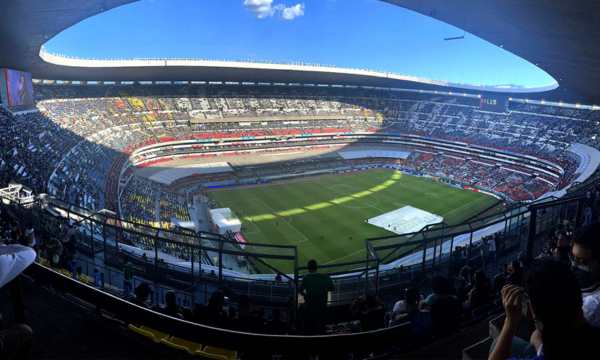
The 2026 edition will be the biggest World Cup in history by numbers. There will be 104 matches over 39 days of competition.
The calendar structure follows this rhythm:
- Group stage in the second half of June, when groups take shape and the competition gains momentum.
- Knockout stage starting with 32 teams, when every match becomes a decision and there’s no room for error.
- Decisive matches concentrated in early and mid-July, with increasingly intense clashes.
- Final scheduled for July 19, 2026, closing the tournament at its most anticipated moment.
With matches almost every day, the tournament gains a constant flow.
There’s always something happening, always a match that deserves attention.
Why the 2026 World Cup is Considered Historic
The FIFA World Cup 2026 goes down in history not only because of its size. It changes the way football is experienced.
There are 48 teams, more cultures, more fan bases, and more stories sharing the same stage.
With 104 matches, fewer long breaks and more emotion spread throughout.
Plus three host countries, creating different settings, time zones, and atmospheres.
And of course, an expanded format that increases the pressure from the very first match and makes every round count in the standings.
For fans, this means more choices, more relevant games, and more chances to get involved with the tournament from start to finish.
Without a doubt, the FIFA World Cup 2026 isn’t just something to watch. It’s something to follow, comment on, debate, and live, in the way only football allows.
Get organized, pick your matches, and enjoy it. This World Cup promises to be unforgettable!